
Can Drywall Repair and Painting Fix Water or Impact Damage?
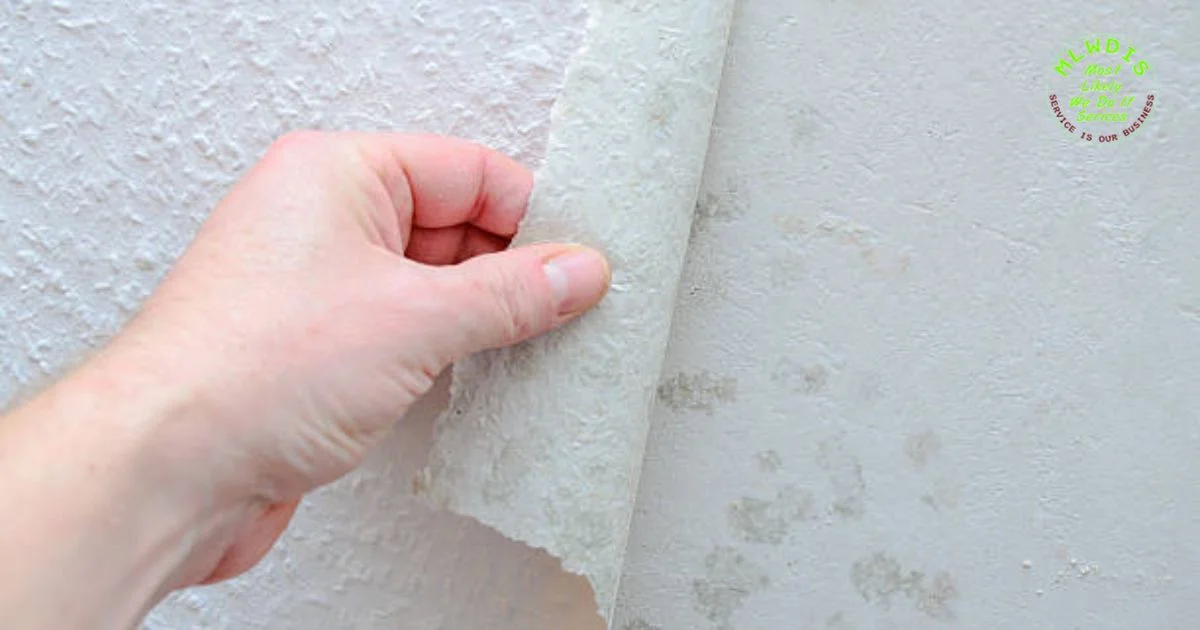
Walls play a big role in every home. They keep rooms safe, quiet, and comfortable. They also help a house look clean and welcoming. Over time, walls can get damaged by water or sudden hits. A small leak may leave dark stains. A hard bump can cause cracks or holes. These problems can make a room feel old and messy. Homeowners often worry when walls look bad and weak. Searching for Drywall repair and painting becomes a natural step. With proper repair and careful painting, walls can regain strength and beauty. When handled the right way, damaged walls can look fresh and smooth again.
Understanding What Drywall Does in a Home
Drywall forms the surface of most walls and ceilings. It gives rooms shape and structure. It also holds paint and texture. Drywall is strong enough for daily life but still sensitive to water and heavy impact. When drywall stays dry and intact, walls remain firm and clean. Once damage begins, problems spread faster than expected.
Keeping drywall in good condition helps protect the home. Repairs done on time prevent small issues from turning into big repairs later.
How Water Damage Affects Drywall
Water damage often starts quietly. A pipe may leak slowly. Rainwater may slip through a roof. Bathroom moisture can build up over time. Drywall absorbs water easily. Once wet, it swells and weakens. Paint may bubble or peel away from the surface. Stains often appear yellow or brown. Walls may feel soft when touched. A musty smell may develop in the room. These signs mean water has already entered the wall. Without repair, the damage continues to grow.
Read Also: What’s the Difference Between Patching and Full Drywall Replacement?
Why Water Damage Needs Fast Repair
Water does not stay in one place. It spreads behind walls and sinks deeper into materials. Over time, drywall loses strength and may begin to sag or crumble. Mold can also start growing in damp areas, which can affect air quality inside the home. Fast repair stops the spread of moisture. Drying the wall and replacing damaged drywall helps restore safety. Early action saves money and prevents future problems.
Everyday Activities That Lead to Wall Damage
Impact damage happens suddenly. A door handle may hit the wall. Furniture may bump during moving. Kids may play too close to the walls. These moments can leave dents, cracks, or holes. Small dents may not seem serious at first. Over time, they weaken the wall surface. Larger holes can expose the inside of the wall. Without repair, cracks may grow, and paint may peel around damaged spots.
Why Proper Drywall Repair Comes First
Painting over damaged drywall does not fix the problem. The wall must be strong before the paint goes on. Proper drywall repair removes weak sections and replaces them with solid material. Joints are taped and sealed. Surfaces are sanded until smooth. This process restores the wall’s strength. It also creates a clean surface for paint. Searching for Drywall repair near you helps homeowners find professionals who focus on strong, lasting repairs instead of quick cover-ups.
Painting as the Final Step in Wall Repair
Painting plays an important role after drywall repair. Paint protects the surface and improves the look of the room. Primer is applied first to block stains and seal repairs. Paint is then added in even layers. Good painting helps repair areas that blend into the rest of the wall. It also adds protection against moisture and wear. A quality paint job makes walls look new again.
The Importance of Matching Wall Texture
Walls often have texture to hide small flaws. Some walls are smooth. Others have patterns like orange peel or knockdown. Matching texture takes skill and care. Poor texture matching makes repairs stand out. Proper texture blending hides repairs completely. When the texture matches well, repaired walls look untouched and natural.
Preventing Mold after Water Damage
Mold grows in wet areas. Water-damaged drywall creates a perfect place for mold to spread. Mold can affect both walls and health if left untreated. Drywall repair includes drying the area fully and cleaning it properly. Using mold-resistant materials helps reduce future risk. Sealing repaired sections also helps block moisture from returning.
Read Also: Top Benefits of Using Window Tinting
Why DIY Repairs Often Fail
DIY repair kits may look simple, but wall repair takes practice. Uneven patches often show through paint. Poor sanding leaves shadows and rough spots. Paint colors may not match the rest of the wall. DIY work may also miss hidden moisture. Damage stays trapped inside the wall and returns later. Professional repair avoids these problems and provides better results.
Long-Term Value of Professional Repairs
Strong repairs last longer than quick fixes. Cheap repairs often crack or peel again. Repeating repairs costs more over time. Professional drywall repair fixes the root cause of damage. Proper painting seals the surface. Walls stay strong and clean for years. This approach saves money and reduces stress.
Signs Walls Need Immediate Attention
Certain signs show when walls need quick repair. Peeling paint, bubbling areas, soft drywall, spreading cracks, and musty smells all point to damage beneath the surface. Water stains are also a warning sign. Fixing these issues early keeps damage under control. Waiting often leads to higher repair costs.
Choosing the Right Repair Service
Not all repair services deliver the same quality. Skilled professionals inspect the damage carefully. They explain the repair steps clearly and use strong materials. Clean finishes show attention to detail. Choosing experienced repair services helps ensure lasting results. Clear communication also helps homeowners feel confident throughout the process.
How Repaired Walls Improve Daily Life
Damaged walls affect how a home feels. Cracks and stains make rooms look tired. Repaired walls feel solid and clean. Rooms appear brighter and more welcoming. Homeowners feel more comfortable in their space. Guests notice the improvement. Restored walls bring peace of mind.
Preventive Wall Care and Inspection
Walls benefit from regular checks. Early signs of damage are easier to fix. Bathrooms, kitchens, and laundry areas need extra attention due to moisture. Busy areas may need repairs from impact damage. Staying alert helps prevent major repairs later.
When to Look for Professional Help
Waiting makes wall damage worse. Acting early keeps repairs simple. Homeowners often search for Drywall repair and painting near you when stains or cracks appear. Quick service restores walls faster and prevents further damage. Consistent care keeps walls strong year after year.
FAQs
Q1:Can water-damaged drywall always be repaired?
Light water damage can often be repaired. Severe damage usually requires drywall replacement.
Q2:How long does drywall repair and painting take?
Small repairs may take one day. Larger repairs may need several days for drying and painting.
Q3:Will repaired areas be noticeable?
No. Proper texture and paint matching make repairs blend in completely.
Q4:Does water damage always cause mold?
No. Fast drying and proper repair help prevent mold growth.
Q5:How can I tell drywall needs replacement?
Soft, sagging, or crumbling drywall usually needs replacement.
Ready to Restore Your Walls?
Wall damage does not have to last. Timely repair brings walls back to life and keeps homes safe. Fixing problems early prevents bigger repairs later. Contact Most Likely We Do It Services today. Let us restore your walls with care, skill, and lasting results.

Most Likely We Do It Services
Most Likely We Do It Services has been providing expert handyman solutions in Santa Barbara, California, since 2012. Specializing in appliance repair, plumbing, electrical work, furnace repairs, sign installations, and more, we are dedicated to delivering reliable, efficient, and affordable services for both residential and commercial clients. With a passion for using the latest techniques and tools, we take pride in completing every job with precision and care, ensuring top-quality results at competitive prices. Explore our blogs for valuable insights.
Recent Posts
How Commercial Plumbing Services...
October 9, 2026

Cracks, Holes, or Water...
October 8, 2026

Looking for Appliance Repair...
September 12, 2026

From Doors to Drywall:...
September 11, 2026

Why Ignoring Small Wall...
August 13, 2026

Top Plumbing Upgrades That...
August 12, 2026

8 Common Dryer Issues...
July 8, 2026

7 Signs It’s Time...
July 7, 2026

Home Improvement Tips Every...
June 5, 2026

Plumbing Inspection Tips Before...
June 4, 2026
